
What Are The Common Causes of a Check Engine Light?
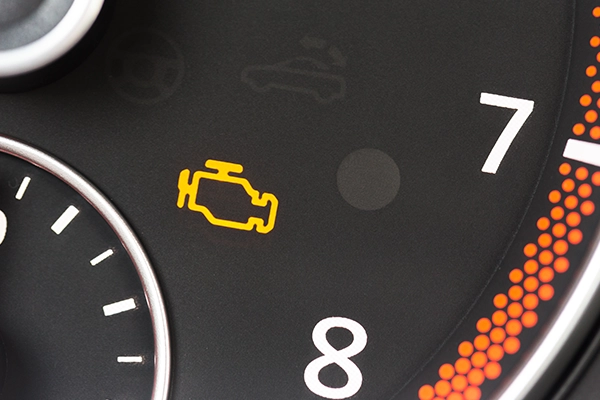
Watching that dreaded orange light appear on your dashboard is one of the biggest headaches for any driver, as you know there’s likely an issue in your vehicle but have no immediate answer on what the source of your problem is.
The check engine light is a general warning light used to alert the driver to issues within the powertrain, which in a system as large and complex as your engine, can make pinpointing the source of your light a pain.
While the check engine light can mean a variety of things, there are a few frequent culprits behind this warning light that are useful to know.
Causes of Check Engine Lights
Loose Gas Cap
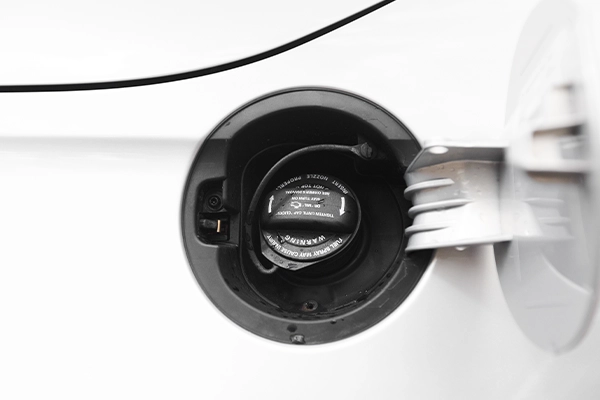
The least severe and easiest to remedy issue on this list is a loose or faulty gas cap seal. The evaporative emissions control (EVAP) system in your vehicle checks for an airtight seal, and when a loose gas cap or damaged seal allows for vapors to exit the system, the EVAP system will relay an error code noting a leak, which will lead to an active check engine light code.
Although leakage from your gas cap won’t often lead to any actual issues with drivability, it’s best to have this problem addressed soon considering how simple the fix usually is. Just tighten you gas cap back up or swap the broken one with an inexpensive replacement and the light will deactivate if this is the true cause of your engine code.
Failing Oxygen Sensor
The oxygen (O2) sensors in your vehicle’s exhaust system are responsible for reading the concentration of oxygen within your engine’s emissions and using that information to alter the engine’s air-fuel ratio dynamically. When these sensors fail or are disrupted by contaminants, it will lead to improper O2 sensor readings and the subsequent check engine light warning.
Faulty O2 readings or malfunctioning sensors may cause your engine’s air-fuel ratio to be thrown off, either causing the engine to run with an excess of fuel added (rich) or not enough fuel (lean). Improper air-fuel mixtures can cause reduced performance, lower fuel economy, and increased wear on critical engine components,
If your vehicle is throwing a check engine light code for an oxygen sensor issue, you should have it inspected by a trusted professional as soon as possible to prevent further damage to your engine.
Faulty Mass Airflow Sensor (MAF)
The mass airflow sensor, or MAF, is a sensor located in the engine’s airbox that measures the volume of air entering the intake. With this reading, the engine control unit (ECU) decides on the optimal air-fuel mixture. When this sensor fails, similar to a faulty O2 sensor, it can cause the engine to receive an improper air-fuel ratio as well as a check engine warning on your dash.
Whether due to becoming dirty with contaminants or encountering an internal failure, a malfunctioning mass airflow sensor can cause a host of issues in your powertrain and should be addressed immediately.
Vacuum Leaks
Any air introduced past the mass airflow sensor is considered “unmetered” air, as it cannot be read by the sensor and accounted for by the ECU. This most often occurs due to a leak in the engine’s intake system, which is referred to as a vacuum leak.
When air is allowed to enter past the MAF sensor, it can throw off the engine’s air-fuel mix with an excess of air introduced to the combustion chambers, causing a lean condition.
A lean condition will produce similar symptoms to the other air-fuel ratio problems we’ve discussed above, including sluggish acceleration, reduced MPG, rough idling, and potential engine misfires.
Solid vs. Flashing Check Engine Light
There’s one important distinction we should make, as a solidly-illuminated and flashing check engine light carries different meanings.
Solid check engine lights are the most common, and are your powertrain’s general indicator that something’s not quite right. In most cases, the issues we’ve gone over will initially throw a solid light.
A flashing check engine light, on the other hand, points to something more severe going on within your engine: a misfire.
Misfires occur when one or more of the cylinders is not “firing”, or completing its combustion cycle. These can be the result of anything that disrupts the engine’s recipe for combustion, including spark, fuel, air, or compression.
Common sources of a misfiring cylinder include a faulty spark plug or ignition coil preventing ignition, fuel delivery issues, or improper air-fuel mixture as a result of sensor issues or vacuum leaks as covered above.
Misfires should be taken care of immediately, as continuing to drive with one can quickly lead to internal engine damage or failure of the catalytic converter. If your check engine light is flashing, park the vehicle and have it inspected by a trusted automotive professional as soon as possible.
Check Engine Light Diagnostics in Peoria, IL
Check engine light diagnostics goes beyond just hooking the vehicle up to a code reader. While the specific error thrown by the vehicle can give you a good ballpark area of where the issue could be occurring, pinpointing the specific component or problem behind the check engine light requires in-depth testing.
At Beachlers Tire & Automotive Center, our team has extensive experience in providing efficient and precise warning light diagnostics on all makes and models. Don’t let your check engine light linger and potentially lead to further issues like a misfire, reach out to us today by phone or schedule online to secure your appointment with Peoria’s premier vehicle diagnostics and repair facility!